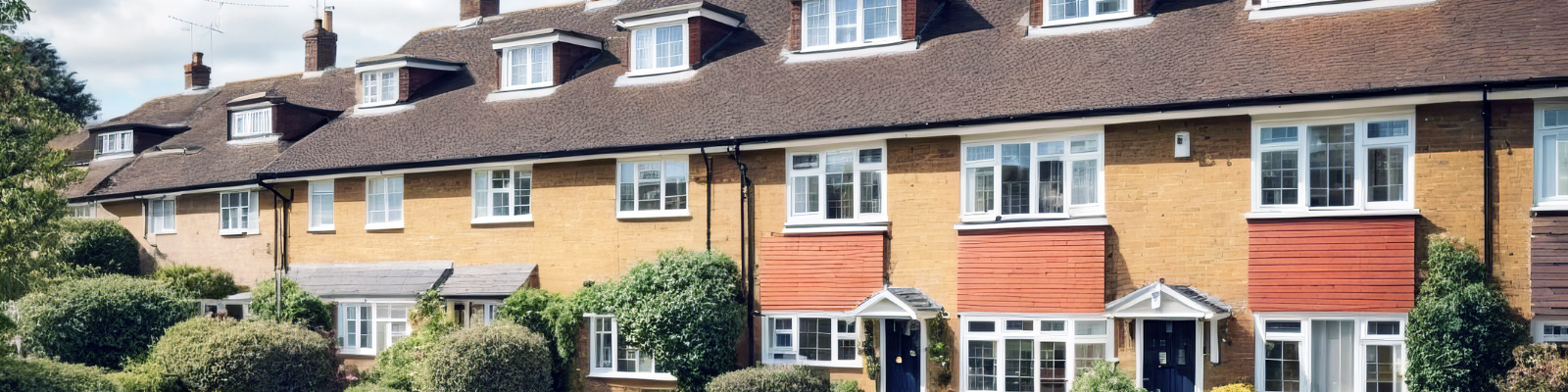
📢 Renters’ Rights Act 2026: What Every Landlord Needs to Know

The Renters’ Rights Act 2026 represents one of the most significant changes to the private rented sector in England in recent years. Whether you’re a first-time landlord or have an established property portfolio, understanding these changes is essential to remain compliant and avoid unnecessary penalties.

At CR Real Estate, we’re committed to helping landlords stay informed and ensuring their properties are managed in line with the latest legislation.


Why Has the Renters’ Rights Act Been Introduced?

The Renters’ Rights Act aims to create a fairer, more transparent rental market by improving tenant protections while setting clearer responsibilities for landlords and letting agents.

The legislation introduces several important requirements designed to improve communication between landlords and tenants and ensure everyone understands their rights and responsibilities.


One Important Requirement: The Information Sheet

One of the key legal obligations under the Renters’ Rights Act is providing tenants with the official Renters’ Rights Act Information Sheet.

This document explains how the new legislation affects both landlords and tenants and helps ensure everyone understands the updated tenancy rules.

If you’re required to provide this document and fail to do so, you could face financial penalties of up to £7,000.


Who Must Receive the Information Sheet?

You must provide the Information Sheet if the tenancy:

  • Is an Assured or Assured Shorthold Tenancy.
  • Has become an Assured Periodic Tenancy after the introduction of the Renters’ Rights Act.
  • Includes a written tenancy agreement or written record of terms.
  • Requires the Information Sheet under the updated legislation.

Every tenant named on the tenancy agreement must receive their own copy.


How Must It Be Provided?

Many landlords mistakenly believe they can simply send tenants a website link.

Unfortunately, this does not satisfy the legal requirement.

The Information Sheet must be provided in one of the following ways:

✅ Correct❌ Not Valid
Printed hard copySending only a website link
PDF attached to an emailSharing a webpage URL
PDF attached to a text messageAsking tenants to download it themselves

Important Compliance Checklist

RequirementStatus
Download the official GOV.UK PDF
Provide every named tenant with a copy
Send as an attachment or printed copy
Keep records showing it was provided
Ensure you’re using the latest version

Potential Financial Penalties

Failure to comply with the legislation may result in enforcement action.

Non-CompliancePossible Outcome
Information Sheet not provided correctlyFine of up to £7,000
Incorrect delivery methodMay not satisfy legal requirements
Using an outdated versionPotential compliance issues

Common Mistakes Landlords Make

Even experienced landlords occasionally overlook important details.

The most common mistakes include:

  • Sending only a GOV.UK website link instead of the PDF.
  • Forgetting to send the document to every named tenant.
  • Using an outdated version of the Information Sheet.
  • Assuming their letting agent has already sent it.
  • Failing to keep evidence that it was provided.

Landlord Responsibilities Continue to Grow

The rental market has changed considerably over the last few years, with increasing legal responsibilities for landlords.

Modern landlords are expected to remain compliant with legislation covering:

  • Renters’ Rights Act
  • Deposit Protection
  • Property Safety Regulations
  • EPC Requirements
  • Gas Safety
  • Electrical Safety
  • Right to Rent
  • Smoke & Carbon Monoxide Regulations

Keeping up with these requirements can be time-consuming, particularly for landlords managing multiple properties.


How CR Real Estate Can Help

At CR Real Estate, we help landlords stay ahead of changing legislation by providing professional lettings and property management services designed to reduce stress and improve compliance.

Our experienced team can assist with:

  • Landlord compliance guidance
  • Property management
  • Tenant sourcing
  • Property marketing
  • Tenancy documentation
  • Ongoing legislative updates
  • Free property valuations
  • Rental advice

Whether you own one property or an expanding portfolio, we’re here to help you navigate every stage of the lettings process.


Quick Compliance Summary

✔ Checklist
Download the official Information Sheet from GOV.UK
Send the official PDF—not just a link
Ensure every named tenant receives a copy
Keep proof that it was provided
Stay updated with future legislation

Need Advice?

If you’re unsure whether your tenancy is fully compliant under the Renters’ Rights Act, our experienced team is here to help.

Whether you’re letting your first property or managing an investment portfolio, CR Real Estate can provide practical advice and ongoing support.


Book Your Free Property Valuation

Thinking of selling or letting your property?

🔑 Book your free, no-obligation valuation today.

📍 Book your free valuation:
https://crrealestate.co.uk/#ovt-request-valuation

🌐 Visit our website:
www.crrealestate.co.uk

📞 Call us: 01634 570057

How to Increase Rental Value Without Major Renovations 🏡💷

Many landlords assume that increasing rental value means spending thousands on extensions, brand-new kitchens, or complete property refurbishments. While major renovations can help, they are not always necessary to achieve higher rental income.

In today’s rental market, tenants are looking for properties that feel modern, clean, practical, and well-maintained. Often, small strategic improvements can make a significant difference in both rental value and tenant demand — without breaking the bank.

Here are some of the most effective ways landlords can increase rental value without carrying out expensive renovations.


1. Improve First Impressions

First impressions matter more than most landlords realise. Tenants often make decisions within the first few minutes of viewing a property.

Simple upgrades such as:

  • Repainting the front door
  • Cleaning pathways
  • Adding outdoor lighting
  • Tidying gardens
  • Pressure washing driveways

can instantly improve the property’s appearance and create a more premium feel.

A well-presented exterior signals to tenants that the property is properly maintained.


2. Fresh Paint Creates a Modern Feel

One of the cheapest but most effective improvements is repainting walls in modern neutral colours.

Shades like:

  • Soft white
  • Light grey
  • Warm beige
  • Off-white

make rooms appear:
✔️ Larger
✔️ Brighter
✔️ Cleaner
✔️ More modern

Neutral interiors also help tenants imagine their own furniture and lifestyle in the space.


3. Upgrade Lighting

Lighting dramatically affects how a property feels during viewings and in marketing photos.

Replacing outdated light fittings with:

  • Modern ceiling lights
  • Warm LED lighting
  • Stylish lamps
  • Under-cabinet kitchen lighting

can instantly modernise a property at a relatively low cost.

Bright, well-lit properties usually attract more interest online as well.


4. Modernise Small Details

You do not always need a full renovation to make a property feel updated.

Simple replacements can make a huge difference:

  • New door handles
  • Modern taps
  • Updated cabinet handles
  • New curtain rails
  • Stylish mirrors
  • Contemporary sockets and switches

These small touches create a more premium appearance without major expense.


5. Focus on Kitchens & Bathrooms

Kitchens and bathrooms often influence rental decisions the most. However, full replacements are expensive.

Instead, landlords can:

  • Replace cabinet doors
  • Repaint cupboards
  • Regrout tiles
  • Install modern taps
  • Replace shower screens
  • Add new flooring

These low-cost improvements can refresh the entire space.


6. Offer Better Storage Solutions

Modern tenants highly value storage space.

Adding:

  • Shelving
  • Wardrobes
  • Under-stair storage
  • Kitchen organisers

can make a property feel more practical and attractive.

Properties with good storage often justify higher rental prices.


7. Improve Energy Efficiency

With rising energy costs, tenants are increasingly looking for energy-efficient homes.

Affordable improvements include:

  • LED bulbs
  • Draught proofing
  • Better insulation
  • Smart thermostats
  • Energy-efficient appliances

Not only can this improve rental appeal, but it may also reduce void periods.


8. Create Better Outdoor Space

Outdoor areas became significantly more desirable in recent years.

Even small gardens or balconies can add value if properly presented.

Simple ideas include:

  • Artificial grass
  • Outdoor seating
  • Decorative lighting
  • Low-maintenance plants
  • Decking or patio cleaning

A welcoming outdoor space can help your property stand out from competitors.


9. Invest in Professional Photography

Sometimes the issue is not the property — it is the marketing.

Professional photography and video content can:
✔️ Generate more enquiries
✔️ Increase viewing requests
✔️ Make the property appear more premium
✔️ Attract higher-quality tenants

In modern real estate, presentation online is just as important as the property itself.


10. Work With the Right Letting Agent

An experienced letting agent understands:

  • Current tenant demand
  • Local rental trends
  • Pricing strategy
  • Property presentation
  • Marketing techniques

At CR Real Estate, we help landlords maximise rental potential through strategic marketing, expert advice, and professional property management.

Sometimes small improvements combined with the right marketing approach can significantly increase rental returns.


Final Thoughts

Increasing rental value does not always require major building work or expensive refurbishments.

Small, smart improvements focused on presentation, comfort, and practicality can:
📈 Increase rental income
📈 Attract better tenants
📈 Reduce vacancy periods
📈 Improve long-term property value

In a competitive rental market, the properties that stand out are often the ones that feel modern, clean, and professionally presented — not necessarily the most expensive.


Thinking About Letting Your Property?

CR Real Estate can help you maximise your property’s rental potential with expert local knowledge, professional marketing, and tailored landlord support.

📞 Contact our team today for a free rental valuation.

🏡 Why Choosing the Right Estate Agent Matters More Than You Think

When it comes to selling, buying, or letting a property, many people underestimate the importance of choosing the right estate agent. It’s often seen as a simple step — list the property, wait for enquiries, and accept an offer.

But in reality, your estate agent plays a critical role in how quickly your property moves, how much interest it generates, and ultimately, the result you achieve.

In today’s competitive property market, the difference between an average agent and the right agent can be significant.


📊 The Modern Property Market Has Changed

Gone are the days when simply listing a property was enough. Today’s buyers and tenants are more informed, more selective, and heavily influenced by how a property is presented online.

Most property searches now begin on platforms like Rightmove, where hundreds of listings compete for attention.

This means your property has only seconds to make an impact.

A strong estate agent understands how to:

  • Position your property to stand out instantly
  • Use high-quality visuals to capture attention
  • Create listings that encourage clicks and enquiries

Without this, even a great property can go unnoticed.


📸 Presentation Is Everything

The way a property is presented can directly affect the number of views and enquiries it receives.

Top-performing agents consistently use:

  • Professional photography
  • Video walkthroughs or virtual tours
  • Clean, well-staged interiors
  • Attention-grabbing headlines

A simple listing like:
“3 Bedroom House in Gillingham”

Compared to:
“Extended 3 Bedroom Family Home with Large Garden & Driveway – Ideal for Families”

The difference is clear — one informs, the other sells.

Buyers are not just looking for properties; they are looking for a lifestyle.


📝 The Power of a Well-Written Description

Many estate agents make the mistake of writing short, generic descriptions filled with standard phrases.

However, high-performing listings use:

  • Detailed and engaging descriptions
  • Emotional triggers (space, comfort, lifestyle)
  • Clear structure and easy readability
  • Strong highlights of key features

A well-written description helps buyers visualise themselves living in the property — and that emotional connection is what drives action.


🎥 Video & Digital Marketing: A Game Changer

Properties with video content often receive significantly higher engagement compared to those without.

Why?

Because video:

  • Builds trust and transparency
  • Gives a realistic feel of the property
  • Keeps viewers engaged longer
  • Increases enquiry rates

In addition to portals, modern agents also promote properties across:

  • Social media platforms
  • Targeted advertising campaigns
  • Email marketing

This wider exposure brings in more potential buyers and tenants.


📍 Local Knowledge = Better Results

An experienced estate agent with strong local knowledge offers a major advantage.

They understand:

  • What buyers are looking for in specific areas
  • Local pricing trends and demand levels
  • How to position your property competitively

Accurate pricing is key.

Overpricing can reduce interest and delay a sale, while underpricing can mean losing value. The right agent finds the balance to maximise both interest and return.


🤝 Communication Can Make or Break the Experience

One of the biggest complaints in the property industry is lack of communication.

A professional estate agent will:

  • Keep you regularly updated
  • Provide feedback after viewings
  • Respond quickly to enquiries
  • Guide you through each stage clearly

This not only reduces stress but also ensures that no opportunity is missed.


🎯 Strategy Matters More Than You Think

Selling or letting a property successfully isn’t about luck — it’s about having the right strategy.

A results-driven agent will:

  • Identify the target audience (families, investors, professionals)
  • Tailor marketing accordingly
  • Monitor performance and adjust where needed
  • Use data to improve results

Without a clear strategy, even well-listed properties can underperform.


💬 It’s Not Just Business — It’s Personal

Property decisions are often emotional. Whether it’s a first-time buyer, a growing family, or a landlord managing investments, each situation is different.

The best estate agents:

  • Take time to understand your goals
  • Offer personalised advice
  • Provide honest guidance (not just what you want to hear)
  • Focus on long-term relationships, not quick transactions

This human approach builds trust — and trust leads to better outcomes.


🚀 What the Right Estate Agent Can Do for You

Choosing the right estate agent can result in:

✔ More views on your property
✔ Higher-quality enquiries
✔ Faster sales or lets
✔ Better negotiation outcomes
✔ A smoother, stress-free experience

On the other hand, the wrong choice can lead to:
❌ Low visibility
❌ Delays
❌ Poor communication
❌ Missed opportunities


🏁 Final Thoughts

In a crowded property market, standing out is everything.

The right estate agent doesn’t just list your property — they actively market it, position it correctly, and work to achieve the best possible result.

From presentation and marketing to communication and strategy, every detail matters.

Taking the time to choose the right agent is not just important — it’s essential.


📞 Ready to Take the Next Step?

If you’re thinking of selling, letting, or simply want to understand your property’s value, getting the right advice early can make all the difference.

👉 Book your free, no-obligation valuation
👉 Speak to a local expert today
👉 Discover how your property can perform in today’s market

Changes to Tenancy Law From 1 May 2026

The Renters’ Rights Act – What Tenants and Landlords Need to Know

From 1 May 2026, major changes to the private rental sector will come into effect under the Renters’ Rights Act 2025. These new laws will give tenants more rights and introduce new responsibilities for landlords. The changes will automatically apply to most private rented tenancies in England, even if tenancy agreements are not updated.

This guide explains the most important changes and how they may affect tenants and landlords.


Who Do These Changes Apply To?

The new rules apply to:

  • Private rented sector tenants
  • Assured tenancies
  • Assured shorthold tenancies (AST)

The rules do NOT usually apply to:

  • Social housing tenants
  • Lodgers living with a landlord

If you are renting privately, these changes will likely affect your tenancy from May 2026.


Fixed-Term Tenancies Are Being Abolished

One of the biggest changes is that fixed-term tenancies will no longer exist.

Currently, many tenancies run for fixed terms such as 6 or 12 months. From 1 May 2026, all tenancies will automatically become rolling tenancies (periodic tenancies).

This means:

  • Your tenancy will continue until you or the landlord end it legally
  • There will be no fixed end date
  • Most tenancies will run monthly

Your tenancy will only end if:

  • You give notice
  • Your landlord has a legal reason to end it
  • Both tenant and landlord agree to end the tenancy

Assured Shorthold Tenancies Are Being Removed

The term Assured Shorthold Tenancy (AST) will be abolished.

All existing AST agreements will automatically become:

Assured Periodic Tenancies

This change does not mean your tenancy ends — it simply changes the legal structure of the tenancy.


Rent Increase Rules Are Changing

From May 2026, landlords will no longer be able to use rent review clauses in tenancy agreements for new rent increases.

Instead:

  • Rent can only be increased once per year
  • Landlords must give at least 2 months’ written notice
  • Rent increases must be in line with market rates
  • Tenants can challenge increases at a First-tier Tribunal

This gives tenants more protection from unfair rent increases.


Section 21 Evictions Are Being Abolished

Another major change is the removal of Section 21 evictions, often called “no-fault evictions”.

Currently, landlords can evict tenants without giving a reason using Section 21.
From 1 May 2026, this will no longer be allowed.

Landlords will only be able to evict tenants if they have a legal reason, known as grounds for possession.

Common legal reasons include:

  • Rent arrears
  • Anti-social behaviour
  • Property damage
  • Landlord wants to sell the property
  • Landlord or family member wants to move in

In most cases, landlords must serve a Section 8 notice and may need to go to court.


Notice Periods and Court Process

If a landlord wants possession of the property:

  1. They must serve a Section 8 notice
  2. Give the required notice period
  3. Apply to court if the tenant does not leave
  4. A judge will decide if eviction is allowed

Tenants will have the opportunity to explain their situation in court.

Free legal advice is available through housing advice services before court hearings.


Tenants Ending a Tenancy

Tenants will have more flexibility and can end a tenancy at any time by giving notice.

Rules:

  • Notice must be in writing
  • Must give at least 2 months’ notice
  • Tenancy must end on a rent payment date (or day before)
  • Shorter notice can be agreed in writing with landlord

New Rules About Pets

From May 2026, tenants will have the right to request a pet.

Landlords:

  • Cannot unreasonably refuse
  • Must give a written reason if refusing
  • Requests must be considered case-by-case
  • Tenants may challenge refusal in court

This is a major change for renters who want pets.


Rules for Student Tenancies

There will be special rules for student accommodation.

Landlords may be able to evict students at the end of the academic year if:

  • Proper notice is given
  • Notice period is at least 4 months
  • Eviction date is between 1 June and 30 September

Important Dates to Know

DateChange
Before 1 May 2026Old tenancy rules apply
1 May 2026New Renters’ Rights Act rules start
31 May 2026Landlords must provide written tenancy info if none exists

What This Means for Tenants

The new law will:

  • Increase tenant security
  • Remove no-fault evictions
  • Limit rent increases
  • Allow tenants to request pets
  • Remove fixed-term contracts
  • Give more legal protection

Overall, the changes are designed to make renting more secure and fair for tenants.


What This Means for Landlords

Landlords will need to:

  • Use legal grounds to regain possession
  • Follow new rent increase rules
  • Provide proper written tenancy information
  • Consider pet requests fairly
  • Prepare for rolling tenancies instead of fixed terms

Landlords should review tenancy agreements and processes before May 2026.


Final Thoughts

The Renters’ Rights Act 2025 represents one of the biggest changes to the rental market in many years. Both tenants and landlords should understand these changes before they come into effect on 1 May 2026.

If you are unsure how these changes affect your tenancy or rental property, it is important to seek advice from a professional letting agent or legal advisor.

CR Real Estate will continue to keep landlords and tenants updated as more guidance becomes available.

Best Areas to Buy Property in Medway (2026 Guide)

A complete local guide for buyers, families, and investors

Medway has become one of the most attractive places to buy property in Kent and the South East of England. With strong transport links to London, comparatively affordable house prices, and growing regeneration projects, areas like Gillingham, Chatham, Rochester and Rainham are attracting increasing interest from buyers and investors.

In this guide, we explore:

  • The best areas to buy property in Medway
  • A complete guide to living in Gillingham
  • Why Chatham is becoming popular with first-time buyers
  • The top schools for families
  • The cost of living in Medway

Medway Property Market Overview (2026)

The Medway property market has remained relatively stable despite wider UK economic changes.

Average House Prices in Medway

CategoryAverage Price
Average house price£299,000
First-time buyer price£271,000
Detached homes£537,000
Semi-detached homes£352,000

Average rents in Medway have also risen, reaching £1,234 per month in early 2026, reflecting strong demand from renters and commuters.

Average Rent by Property Type

Property TypeAverage Rent
Flats / maisonettes£1,018
Terraced homes£1,250
Semi-detached homes£1,381
Detached homes£1,659

This strong rental demand continues to attract buy-to-let investors to the Medway area.


1. Best Areas to Buy Property in Medway (2026)

Medway includes several towns with different property markets and lifestyles.

Gillingham

Best for: Commuters and first-time buyers

Gillingham is one of the most affordable areas in Medway while still offering excellent transport connections.

Key advantages

  • High-speed train links to London
  • Close to Medway Maritime Hospital
  • Growing rental demand
  • Strong first-time buyer market

Average three-bed homes in Gillingham typically range between £300,000–£350,000.


Chatham

Best for: Investors and regeneration opportunities

Chatham has seen major investment in recent years including town centre redevelopment and waterfront regeneration.

Property prices here are typically lower than neighbouring areas, making it attractive for buyers entering the market.

Average property prices:

AreaAverage Price
Chatham£250k – £300k
Gillingham£300k – £350k
Rochester/Strood£325k – £400k

Lower purchase prices combined with strong rental demand make Chatham appealing to investors.


Rochester

Best for: Historic charm and family living

Rochester offers:

  • Historic high street
  • Riverside walks
  • Excellent grammar schools
  • Strong community feel

Because of these factors, Rochester typically commands higher property prices than nearby areas.


Rainham

Best for: Families and quiet suburban living

Rainham is often considered one of the most desirable places to live in Medway.

Popular neighbourhoods include:

  • Wigmore
  • Hempstead
  • Darland
  • Lower Rainham

These areas are known for good schools, green spaces and family housing.


2. Living in Gillingham: Complete Area Guide

Gillingham has become one of the most practical places to live in Medway.

Transport

One of the biggest advantages is its connectivity to London.

Typical commute times:

DestinationTravel Time
London St Pancras~45 minutes
London Victoria~1 hour
Canterbury~40 minutes

These links make Gillingham attractive to commuters looking for more affordable housing outside London.


Amenities

Gillingham offers:

  • Shopping centres
  • Restaurants and cafes
  • Universities nearby
  • Medway Maritime Hospital
  • Parks and green spaces

The town also has strong student and professional rental demand due to its proximity to universities and hospitals.


3. Why Chatham Is Becoming Popular for First-Time Buyers

Chatham has historically been one of the most affordable towns in Medway, which is why many first-time buyers are now choosing it.

Key reasons include:

Lower Property Prices

Chatham remains cheaper than neighbouring towns while offering strong rental demand.

In many cases buyers need £50,000 less than Rochester for similar property types.

Regeneration Projects

Major improvements in the area include:

  • Chatham Waterfront regeneration
  • New residential developments
  • Improved public spaces

These improvements are helping boost property values.

Rental Demand

Rental demand remains high across Medway, particularly in areas close to transport and town centres.

This makes Chatham attractive for buy-to-let investors and first-time buyers looking for long-term growth.


4. Top Schools in Medway for Families

Education is one of the biggest factors influencing where families choose to buy.

Some of the most popular schools in Medway include:

  • Rainham Mark Grammar School
  • The Rochester Grammar School
  • Chatham Grammar School
  • Sir Joseph Williamson’s Mathematical School

Areas with high-performing schools often command higher property prices.

School Quality vs Property Prices

School RatingImpact on Property Prices
Outstanding+18% price premium
Good+8% price premium
Requires Improvement–15% price difference

This means buyers often pay significantly more to live within top school catchment areas.


5. Cost of Living in Medway

Compared with many parts of Kent and London commuter towns, Medway remains relatively affordable.

Housing Costs

CategoryCost
Average house price£299,000
First-time buyer price£271,000
Average rent£1,234

Typical Monthly Living Costs

ExpenseEstimated Cost
Rent / Mortgage£1,200 – £1,500
Utilities£150 – £250
Transport£150 – £400
Groceries£250 – £400

Overall, Medway provides better value compared to many commuter towns in Kent or London suburbs.


Is Medway a Good Place to Buy Property in 2026?

Medway continues to attract buyers due to:

✔ Affordable property prices compared with London
✔ Strong commuter links
✔ Growing regeneration projects
✔ Good schools and family areas
✔ Strong rental demand for investors

With property prices still below many South East locations, Medway remains a popular choice for first-time buyers, families and investors alike.


Thinking of Buying or Selling in Medway?

If you’re considering buying, selling, or investing in property in Gillingham, Chatham, Rochester or Rainham, our local team at CR Real Estate can help.

🏡 Book a free property valuation today
📞 Contact CR Real Estate to speak with a local property expert.

Is Now a Good Time to Buy or Sell? — UK Property Market Outlook 2026

Deciding whether to buy or sell a property is one of the most important financial choices you’ll make — and timing can have a big impact on the outcome. With the property market showing signs of life in 2026, many homeowners, investors, and first-time buyers are asking: Is now a good time to buy or sell? Let’s break it down with the latest data, trends, and expert insights.


📈 House Prices Showing Early 2026 Growth

After a period of relative stagnation and uncertainty in 2025, the UK housing market is showing renewed activity at the start of 2026.

Recent data indicates that house prices rebounded slightly in January 2026, with average prices increasing after a small dip in December. Analysts from Nationwide and other forecasters are projecting modest gains in prices throughout 2026 — with average house price growth expected between 2% and 4% this year.

This suggests a gentle upward trend that could benefit sellers, while still offering opportunities for buyers before prices rise further.


🏠 Why It Might Be a Good Time to Buy

1. Mortgage Rates Becoming More Affordable
Mortgage rates — especially longer-term fixed deals — have eased from their post-pandemic highs. Lower borrowing costs can improve affordability and give buyers more confidence to move forward.

2. Buyer Demand is Strengthening
After slowing in late 2025, buyer interest has picked up again, with demand returning closer to levels seen in early 2024. This renewed confidence is a positive signal for buyers active in today’s market.

3. Predictions of Price Growth
With house prices forecast to rise modestly throughout 2026, buying sooner rather than later could help you lock in a price before further increases — particularly if you plan to live in the property for several years. Experts generally agree that if you can afford it and your long-term plans are stable, now can be a good time to buy.


📉 Why Some Buyers Are Cautious

Although conditions look stabilising, the market is not without its challenges:

  • Affordability still stretched in many regions, making it tough for first-time buyers to save for deposits.
  • Some areas — especially certain parts of London and the South — have seen slower or no price growth.
  • The rental market is experiencing softening demand as more people choose to buy.

For some buyers, this mixed picture means it makes sense to research carefully and choose properties where value is likely to hold or grow.


💼 Why It Might Be a Good Time to Sell

1. Supply Constraints Can Work in Your Favour
In some areas, the number of properties available for sale remains limited relative to demand — especially for well-priced homes. When supply is tight, sellers can benefit from more competitive interest from buyers.

2. Early Market Confidence
Indicators like rising asking prices and buyer interest suggest the market may be warming up after a slower period. Selling now — before wider price gains occur — could capture demand from buyers already active in the market.

3. Strategic Timing Tips
While headline price growth isn’t surging, expert guidance suggests that competitive pricing and good presentation can help sellers achieve strong offers early in the sale process. This is especially true for homes that are well prepared and marketed.


🧠 Final Take — Buy, Sell, or Wait?

So, is now a good time to buy or sell?

✔ Buyers:
If you’re financially ready, and especially if you plan to stay in your property for several years, entering the market now could make sense — particularly with mortgage rates easing and modest price growth expected.

✔ Sellers:
If your home is well priced and presented, you could take advantage of active buyer interest in early 2026 and list before further confidence — and potential price rises — kick in.

✔ Neither Rush nor Delay:
Property decisions are personal. If you’re unsure, talk to a local expert for a free valuation and tailored advice based on your goals, timescale, and area market conditions.

PerspectiveCurrent ConditionsOpportunity
BuyersRenewed demand, slightly rising pricesLock in price before further growth
SellersActive buyer market in many areasCompetitive pricing increases chance of offers
InvestorsModest growth forecastsFocus on local fundamentals and rental trends

Why Properties Sit on the Market for Months (And How to Avoid It)

Selling a property should be an exciting step forward—but for many homeowners, it quickly becomes a frustrating waiting game. When a property sits on the market for months with little interest, it often leads to price reductions, missed opportunities, and unnecessary stress.

The truth is, properties rarely fail to sell without reason. In most cases, it comes down to a few key mistakes that can be avoided with the right approach. Below, we explore the most common reasons homes struggle to sell—and what you can do to ensure your property attracts serious buyers from day one.


1. Overpricing the Property

Overpricing is the number one reason properties remain unsold.

While it’s natural for homeowners to aim high, buyers are more informed than ever. With instant access to online listings, price comparisons, and market data, overpriced properties are quickly overlooked.

Even worse, an inflated price at launch can cause a property to miss its most important window of opportunity—the first few weeks on the market, when buyer interest is at its highest.

How to avoid it:
A professional, market-led valuation ensures your property is priced competitively while still achieving its true value. Accurate pricing from the outset generates more viewings, stronger interest, and better offers.


2. Poor Marketing Photography

First impressions matter—and in today’s digital market, photography is often the first interaction a buyer has with your property.

Low-quality images, poor lighting, cluttered rooms, or incomplete photo sets can instantly turn buyers away, even if the property itself is excellent. If a listing doesn’t stand out visually, it simply won’t get clicked.

How to avoid it:
Professional photography, thoughtful presentation, and strategic marketing make a significant difference. High-quality visuals help your property stand out on portals and attract motivated buyers who are ready to view.


3. The Wrong Agent Strategy

Not all estate agency strategies are the same. A lack of proactive follow-ups, weak marketing plans, or poor communication can cause momentum to stall quickly.

Some properties are listed and then left to “sit and wait,” rather than being actively promoted, reviewed, and adjusted based on buyer feedback.

How to avoid it:
Choose an agent who offers a clear sales strategy, regular updates, honest feedback, and ongoing marketing adjustments. A proactive agent doesn’t just list your property—they actively work to sell it.


4. Lack of Buyer Targeting

Every property has an ideal buyer—but many listings fail to speak directly to them.

A family home should highlight schools and space. An apartment may appeal more to first-time buyers or investors. Without tailored messaging and targeted marketing, your property may be shown to the wrong audience—or missed by the right one entirely.

How to avoid it:
Effective buyer targeting ensures your property is marketed to the right demographic, in the right locations, and on the right platforms. This increases enquiry quality and reduces wasted time.


How to Sell Smarter, Not Slower

Properties that sell efficiently share one thing in common: the right strategy from day one. Correct pricing, professional marketing, strong agent involvement, and clear buyer targeting all work together to create demand and achieve results.

If your property has been on the market longer than expected—or if you’re planning to sell soon—a fresh, professional approach can make all the difference.


Thinking of Selling?

At CR Real Estate, we combine accurate valuations, professional marketing, and a proactive sales strategy to help properties sell faster and with confidence.

📞 Contact us today for a no-obligation valuation and expert advice on how to get your property sold.

The 2026 Property Shift: How Smarter Buyers and Sellers Are Gaining the Advantage

Why knowledge, preparation, and data-led decisions matter more than timing this year

While much of the property conversation focuses on when to move, 2026 is shaping up to be the year where how you move matters more than ever.

After a period of market correction and stabilisation, the UK property sector has entered a phase where success is no longer driven by speed alone—but by strategy, pricing accuracy, and informed decision-making. Buyers, sellers, landlords, and investors who understand this shift are already positioning themselves ahead of the wider market.

At CR Real Estate, we’re seeing a clear change in behaviour across Kent: fewer speculative moves, more deliberate planning, and a growing reliance on professional guidance rather than guesswork.


From Market Noise to Market Intelligence

In previous years, headlines dominated decisions. In 2026, data is leading the way.

Buyers are analysing sold prices rather than asking prices.
Sellers are requesting realistic valuations rather than optimistic ones.
Landlords are focusing on long-term yield, compliance, and tenant quality—not just rent increases.

This shift is creating a healthier, more sustainable market—where well-priced properties move quickly, and poorly positioned ones stall.


Why Accurate Valuation Is the Real Power Move in 2026

One of the biggest trends we expect throughout 2026 is the rise of precision pricing.

Overpriced homes are no longer “tested” on the market.
Underpriced homes attract instant competition.
Correctly valued homes attract serious, qualified buyers.

An accurate valuation isn’t just about today’s price—it reflects buyer psychology, comparable demand, lending conditions, and local momentum. In 2026, this accuracy is what separates smooth transactions from costly delays.


What This Means for Buyers

Buyers in 2026 are benefiting from:

  • More choice than in previous peak markets
  • Better negotiation opportunities
  • Sellers who are open to realistic conversations

However, success depends on being informed, prepared, and decisive—not reactive.


What This Means for Sellers

Sellers who succeed in 2026 will:

  • Price correctly from day one
  • Present their property strategically
  • Work with agents who understand local micro-markets

The days of “list high and reduce later” are fading fast.


A Market That Rewards Preparation

The defining feature of 2026 isn’t urgency—it’s clarity.

Whether you’re selling, buying, letting, or investing, the most successful moves this year will come from:

  • Early planning
  • Honest valuations
  • Clear objectives
  • Professional guidance

At CR Real Estate, our role isn’t just to list property—it’s to help clients move with confidence in a smarter, more informed market.


Final Thought

2026 isn’t a market for guesses.
It’s a market for knowledge, strategy, and accuracy.

If you’re considering your next move this year, start with understanding your position—and let the data guide the decision.

Mortgage Rates Drop Below 5% – What This Means for the UK Housing Market

For the first time since September 2022, the average two-year mortgage rate in the UK has fallen below 5%, now standing at 4.99%. This milestone is a welcome boost for both buyers and sellers, signalling more competitive lending and a shift in the property market.

Mortgage Rates in the UK – The Latest Update

After the market turmoil caused by the 2022 mini-budget, mortgage rates soared to nearly 7% in 2023. Now, lenders are competing aggressively, with some deals as low as 3.7%. This is giving UK homebuyers an opportunity to secure better repayment terms and improve affordability.

Key highlights:

-900,000 fixed-rate deals set to expire in the second half of 2025.
-Two-year fixed mortgage rates now at 4.99%.
-Most competitive rates as low as 3.7%.

Why This Matters for UK Homebuyers

Lower mortgage rates can:

  • Reduce monthly repayments – freeing up your budget.
  • Increase your purchasing power – allowing you to consider more desirable homes.
  • Encourage more market activity – which could lead to higher competition.

If you’re a first-time buyer in the UK, securing a mortgage now could help you get ahead of the curve before rates or prices shift again.

Impact on UK Home Sellers

With cheaper mortgage deals, buyer demand is likely to grow. Halifax reports that average UK house prices rose by over £1,000 in July, suggesting the market remains resilient. If you’re thinking of selling, this could be the right moment to list your property.

Act Before Competition Rises

Experts suggest rates are unlikely to drop significantly in the short term. With many homeowners set to remortgage in 2025, demand could rise quickly. Acting now could help you secure a better deal before competition intensifies.

Curious about your home’s current value in this active market?
https://crrealestate.co.uk/online-valuation/

For sales, lettings, or investment advice, contact CR Real Estate today:
01634 570057 🌐 https://crrealestate.co.uk/

CR Real Estate – Your Property. Our Priority.
In partnership with The Residential Mortgage Hub – Your Mortgage. Our Mission.

Interest Rate Cut: A Welcome Boost for the UK Property Market by CR Real Estate

The Bank of England has recently reduced the UK’s base interest rate to 4.25%, continuing a series of cuts designed to support economic growth and ease borrowing costs. For the UK property market, this is excellent news, with widespread benefits for buyers, investors, and landlords.

💷 What Does a Base Rate Cut Mean?

Lower interest rates make borrowing more affordable. This directly affects mortgage rates, increasing housing affordability, buyer confidence, and market activity. For many, it opens the door to homeownership or portfolio growth that may have previously felt out of reach.

🏠 Positive Impacts on the Real Estate Market

1. Improved Affordability for Buyers

With lower mortgage rates, monthly repayments are reduced, allowing more people to enter the market—especially first-time buyers and those upsizing.

2. Increased Buyer Demand

Reduced borrowing costs boost buyer confidence, helping drive demand and competition across key areas such as Maidstone, Medway, and wider Kent.

3. More Attractive Conditions for Landlords and Investors

Buy-to-let landlords may benefit from stronger rental yields and lower financing costs. It’s an opportune time to refinance or expand your portfolio.

4. Stronger Selling Prices for Homeowners

With more buyers in the market, sellers can benefit from greater interest and stronger offers, making now an ideal time to list your home.

🔑 Get Expert Mortgage Advice – The Residential Mortgage Hub

To make the most of this rate cut, securing the right mortgage deal is key. That’s why we work closely with The Residential Mortgage Hub, our trusted mortgage partner, to ensure you get the best possible rates and expert guidance tailored to your situation.

Whether you’re buying your first home, remortgaging, or expanding your investment portfolio, their team can help you take full advantage of current market conditions.

🔍 Book Your Free Property Valuation

Curious about your home’s current value in this active market?
👉 https://crrealestate.co.uk/online-valuation/

📞 For sales, lettings, or investment advice, contact CR Real Estate today:
📞 01634 570057 🌐 https://crrealestate.co.uk/

CR Real Estate – Your Property. Our Priority.
In partnership with The Residential Mortgage Hub – Your Mortgage. Our Mission.

Navigating the Rent Reform Act: A Quick Guide for Landlords:

The Rent Reform Act introduces significant changes to the rental market, creating both challenges and opportunities for landlords. Staying compliant protects your investment and fosters strong tenant relationships.

At CR Real Estate, we simplify the complexities of property management so you can focus on growing your portfolio. Here’s a concise guide to the Rent Reform Act and how we can help.

Key Changes to Note:

1. Tenant Protections

  • Capped Rent Increases: Annual rent hikes are now limited.
  • Stricter Evictions: Longer notice periods and clearer justifications required.
  • Improved Housing Standards: Legal minimum living conditions enforced with regular inspections.

2. Transparency

  • Provide clear breakdowns of rent and fees.
  • Communicate tenant rights and obligations in agreements.

3. Record-Keeping

  • Maintain accurate records to ensure compliance and prepare for inspections.

Your Compliance Checklist:

  1. Understand the Legislation: Stay informed on key aspects and updates of the Rent Reform Act.
  2. Update Leases: Reflect new regulations in tenancy agreements, especially regarding rent and eviction policies.
  3. Audit Properties: Ensure housing standards are met and address maintenance issues promptly.
  4. Communicate Clearly: Keep tenants informed of their rights to foster trust and minimize disputes.
  5. Partner with Experts: Save time and reduce stress with professional support from CR Real Estate.

Why Choose CR Real Estate?

1. Compliance Made Easy: Stay ahead of legislation with our expert guidance.
2. Professional Tenant Management: Transparent and respectful communication at every step.
3. Property Optimization: Maximize ROI while meeting legal standards.
4. Hassle-Free Record-Keeping: All documentation organized and inspection-ready.

At CR Real Estate, Stay Ahead of the Rent Reform Act with Confidence:

We understand that the Rent Reform Act may create uncertainty for landlords. That’s why our expert lettings and property management services are designed to help you adapt seamlessly to the changes.

From tenant communications to ensuring compliance, our team handles every detail, allowing you to relax while we manage your property with care and professionalism.

Don’t let new regulations overwhelm you. Our expertise can keep you ahead of the game.

Stamp Duty on second homes: everything you need to know

Are you considering purchasing a second home? Recent announcements from Chancellor Rachel Reeves in the Autumn Budget have significant implications for buyers looking to invest in second properties or buy-to-let ventures. With changes to the Stamp Duty rates and tax thresholds set to take effect in 2024 and 2025, it’s crucial for prospective buyers to understand these updates and plan accordingly. Here’s a comprehensive overview of what to expect and how to navigate these changes effectively:

Key Stamp Duty changes for second homes

Starting 31 October 2024, the Stamp Duty surcharge for second homes and buy-to-let properties will increase. While buyers of primary residences will not be affected, those acquiring an additional property will face higher tax obligations. Here’s how it breaks down:

New Surcharge: Effective from 31 October 2024, this surcharge will rise to 5%, resulting in additional costs for second home buyers.

Previous Surcharge: Buyers of second properties currently pay an additional 3% on top of standard Stamp Duty rates.

Important timing considerations

If you plan to buy a property intending to make it your main residence, the timing of both your purchase and sale is crucial. Even if your new property is meant to be your primary home, you will incur the 5% surcharge unless you complete the sale of your existing home before finalizing the purchase of the new one. If your previous home sells within 36 months, you can apply for a refund of the surcharge.

This detail highlights the importance of coordinating sale and purchase timelines closely when transitioning to a new primary residence.

Upcoming changes to Stamp Duty thresholds in Spring 2025

It’s also important to be aware of the impending changes to Stamp Duty thresholds in Spring 2025. The current thresholds, which were adjusted in 2022 to ease the tax burden on homebuyers, will revert to pre-2022 levels as follows:

  • Current Stamp Duty Thresholds (until April 1, 2025):
    • Up to £125,000: 0%
    • £125,001 to £250,000: 0%
    • £250,001 to £925,000: 5%
    • £925,001 to £1.5 million: 10%
    • Above £1.5 million: 12%

  • New Thresholds (effective April 1, 2025):
    • Up to £125,000: 0%
    • £125,001 to £250,000: 2%
    • £250,001 to £925,000: 5%
    • £925,001 to £1.5 million: 10%
    • Above £1.5 million: 12%

The reduction in thresholds means that purchases between £125,001 and £250,000 will now incur a 2% Stamp Duty rate, which is currently zero. This change could increase costs by at least £2,500 for transactions within that range. Prompting buyers to consider moving their timelines up to avoid this additional expense.

Implications for second home buyers

Increased Costs for Investors: The 5% surcharge on second homes starting in October 2024 will directly affect buy-to-let investors and those looking for holiday properties.

Coordinating Sales and Purchases: For those buying a new primary residence, it’s essential to complete the sale of your current home before finalising the new purchase to avoid the surcharge. Remember, the refund option remains available for 36 months if the sale is delayed.

Buying Ahead of the Spring Threshold Reversion: If you’re considering buying a primary or second home in the lower property bands, purchasing before the threshold changes will help you benefit from more favourable Stamp Duty rates.

Budgeting for Stamp Duty: Stamp Duty must be paid within 14 days of completing the property purchase. So it’s vital to have funds available to avoid penalties or interest. Collaborate closely with your solicitor or conveyancer to ensure a smooth transaction and a clear understanding of your tax responsibilities.

With these changes on the horizon, timing will be critical for anyone planning to buy a second home or an investment property. Being informed about the new rates and thresholds can help you make better decisions regarding when to buy and how to manage your finances effectively. Consulting a property expert or financial advisor can also provide valuable insights into navigating these changes and optimising your investment strategy.

Contact us

If you’re looking to buy a second home, get in touch with our team today for help on your journey!

Recent Articles

Book A Valuation
CR Real Estate
Privacy Overview

This website uses cookies so that we can provide you with the best user experience possible. Cookie information is stored in your browser and performs functions such as recognising you when you return to our website and helping our team to understand which sections of the website you find most interesting and useful.